Comprehensive Exams in Waco | WM Dentistry

What an Exam Includes
A real exam is not a quick peek and a nod. Dr. Morgan and our team sit down with you, look at what's going on in your mouth, and explain it in plain language before anyone talks about next steps. That's the whole point. You should leave knowing exactly what we saw and why it matters.
For a new patient, this exam runs deeper. We take digital imaging so we can see below the gumline and between teeth, areas a mirror and a light just can't reach. We check your bite, your gum tissue, and old fillings or crowns. We also look for early signs of decay or wear before they turn into bigger problems. A returning patient exam is more routine. We're checking for changes since your last visit and confirming everything's still tracking the way it should.
Here's the part patients notice most: we walk you through the images on the screen. You see what we see. If there's a spot to watch, we tell you it's a spot to watch, not a treatment you need today.
Some exams turn up nothing more than a note to revisit next time. Others uncover something that needs attention now, like a cracked filling or early bone loss. Sometimes it's a tooth that's been quietly bothering you longer than you'd said out loud. Either way, the exam itself doesn't push you toward treatment that doesn't clearly help your long-term oral health. That's just how we practice.
Patients tell us they finally understand something about their own mouth that no one ever explained before.
New Patient Versus Returning Patient Exams
Not every exam looks the same, and that's on purpose. A new patient exam is the deeper of the two. Dr. Morgan and our team need a full picture before we can talk about what's going on in your mouth. That's why it includes digital imaging and a real look at everything, not just the teeth you're worried about.
A returning patient exam moves faster. We already know your history. We're checking on what's changed since your last visit and watching the spots we flagged before, making sure nothing new has crept in.
Here's the thing people don't expect: the exam itself isn't really the product. The conversation after it is. Patients come in thinking they need one exam and leave understanding they've got two different problems worth different plans. That distinction only shows up when someone takes the time to explain the imaging, not just glance at it.
What pushes a visit from routine to more involved usually isn't the calendar, it's the findings. If something on the imaging needs a closer look, we'll say so and explain why before doing anything else.
That's the conservative part of how we work. We're not going to recommend treatment that doesn't clearly help your long-term oral health, whether this is your first visit or your fifteenth. So if you're due for a checkup, don't overthink which category you fall into. Call, tell us it's been a while or it's your first time, and we'll take it from there.
When You Might Not Need a Full Exam
Not every visit calls for the full workup. If you've had an exam somewhere else in the last six months and you're just moving your records over, you probably don't need to start from zero. Bring your imaging if you have it. We'll look it over and tell you whether it still holds up or whether something's changed enough to warrant new pictures.
Same goes if you're already an established patient and you're due for a routine cleaning, not a full re-exam. That's a shorter visit. We're checking on what we already know about your mouth, not rebuilding the whole picture from scratch.
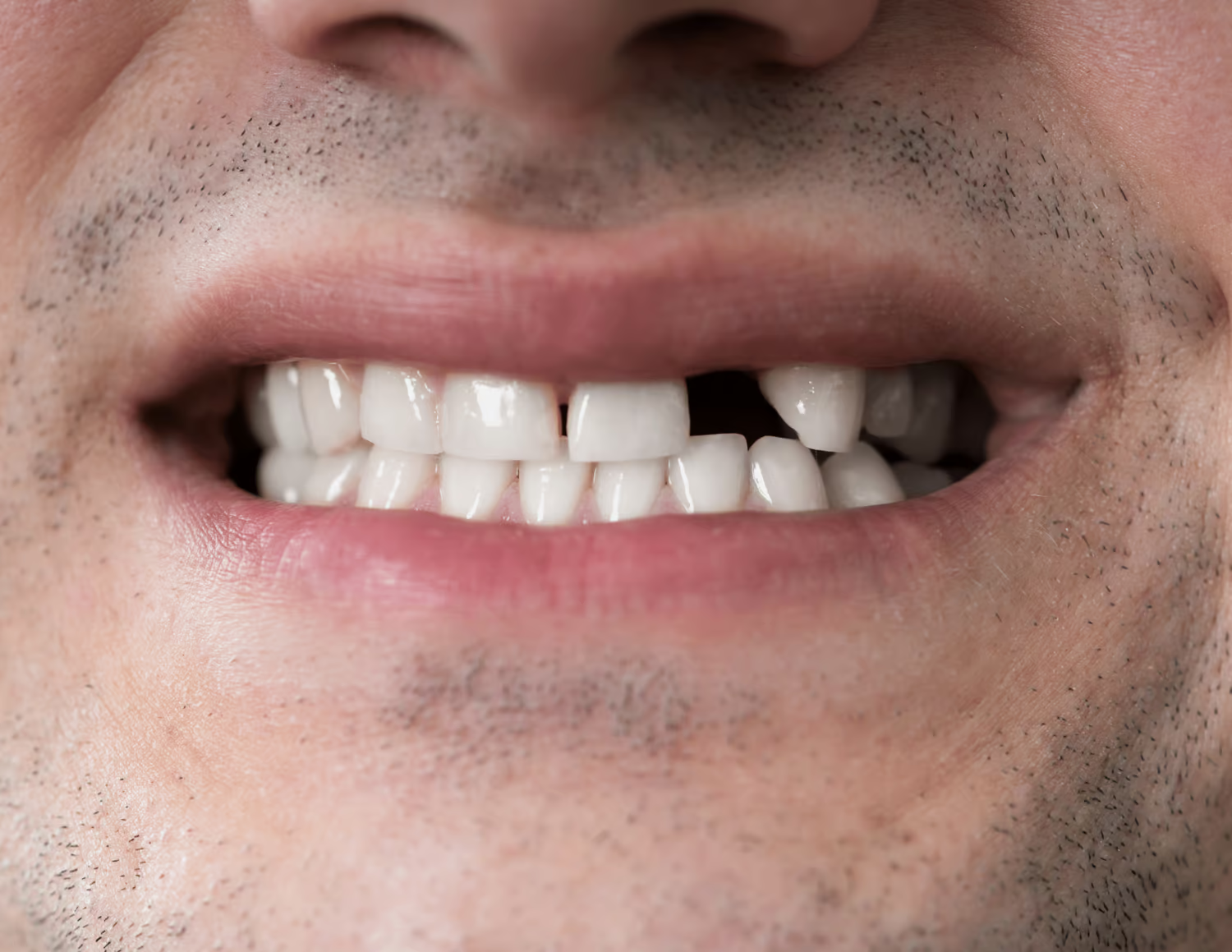
A broken tooth or a knocked-out tooth is its own situation entirely. That's not an exam appointment, that's an emergency visit. You call, we see you, we deal with the tooth in front of us. A full exam can happen later once things have calmed down.
Here's the honest line: if nothing's changed since your last visit and you're not in pain, a full exam might be more than you need right now.
Same for a quick retainer check or a whitening touch-up. Those don't require the whole diagnostic picture.
We'd rather tell you a shorter appointment is the right call than talk you into more than you need. That's just how we run things here.
Exams in Waco: What to Expect at Your Visit
So you've booked your visit. What happens once you're in the chair? If you're a new patient, expect more time and more looking. Dr. Jeremy Morgan and our team walk through your teeth, gums, bite, and jaw joint, and we take digital imaging so we can see what's happening below the surface, not just guess at it. Old fillings, early decay, bone level around your teeth - none of that shows up without an image.
Returning for a routine visit? It moves faster, but it's still a real look, not a rubber stamp. We're checking for change since your last visit. A filling that's starting to wear. A spot that wasn't there six months ago. That's the whole point of coming back regularly, catching things while they're small.
Here's what matters most though: you'll understand what we find. We don't just tell you "you have a cavity" and move on. We show you the image, explain what we're seeing and why it matters, and talk through what your options are. Patients tell us nobody's ever explained it to them that clearly before.
And we're not going to recommend treatment just because we can. If something doesn't clearly help your long-term oral health, we'll say so. That's the whole approach here, conservative and honest, not upsell and hope you don't ask questions.
A patient came in recently worried about a dark spot on a molar she'd noticed in photos from a trip. Turned out to be surface staining, nothing more. She left relieved, not with a treatment plan she didn't need.
How Exam Costs Are Determined
Most people asking about cost want to know one thing. Is this a quick look, or a real conversation about your mouth? Here at WM Dentistry, the most common visit is a new patient or returning patient exam paired with an actual discussion of what we found and what your options are. Not a rushed peek and a nod.
What changes the scope, and the cost, comes down to two things. First, are you new to our practice or coming back for a routine check? A new patient exam runs deeper. It includes imaging so Dr. Morgan can see what's happening below the surface, not just what's visible in the mirror. A returning patient exam builds on what we already know about you, so it's typically more straightforward.
Second, do the findings call for more digging? Sometimes a routine exam turns up something that needs a closer look, an area that wasn't there last time, a bite pattern that's shifted. That's when additional diagnostics get added in. We don't build extra steps in ahead of time. We add them only when your mouth tells us we need to.
Here's what you can count on either way: a clear explanation of what we're seeing and why it matters. We bring in digital imaging when it helps the picture. What you won't get is a list of treatments we don't think you need. That's not how we work. If something doesn't clearly benefit your long-term oral health, we won't push it to run up the visit. That's the conservative approach this practice has run on for a long time. It's exactly what shapes what an exam costs and what it doesn't.
What actually happens in a comprehensive exam
We don't just look - we show you. Every exam includes:
- A full look at your teeth, gums, bite, and jaw - not just what's easy to see.
- Digital imaging to catch what's happening below the gumline.
- A walkthrough on screen - you see exactly what we see, in plain language.
- An honest plan - if it doesn't clearly help your long-term health, we won't recommend it.
New patient or returning, the goal is the same: you leave understanding your own mouth.

Comprehensive Exam FAQs
Answers to common questions about dental exams at WM Dentistry
View more Options

Fluoride Treatment
Knocked-out Tooth