Dental Bonding in Waco: Fix Chips and Gaps in One Visit

Spotting the Signs You Need Dental Bonding
Look at your front teeth in the mirror right now. See a chip near the edge? Notice a line where an old filling meets your natural tooth? That's usually where bonding comes in.
Bonding fixes small, specific problems. It's not the answer for every cosmetic concern, but for the right situation it works fast and looks natural. Here's what we typically see walk through the door:
- A chipped or slightly cracked front tooth, often from biting into something hard or a minor bump
- Small gaps between teeth that bother you every time you smile in photos
- A tooth that's noticeably shorter or a different shape than the ones next to it
- Discoloration on one tooth that whitening never quite fixed
- Worn edges from years of grinding, the kind that make teeth look a little uneven up close
Usually it's a front tooth. Makes sense - that's the one people notice first, the one catching light in every photo and every conversation.
Here's a common scenario. Someone bites into an apple, feels a rough edge with their tongue, and doesn't think much of it. A few weeks later they're looking at pictures from a wedding and can't stop noticing it. That's usually when they call.
So how do you know if bonding is the right fix, versus something like a veneer or crown? Size matters. Bonding handles small chips and minor shape changes well. Larger structural damage, or a tooth that's cracked below the surface, needs a different conversation. We'll look at the tooth, check how much natural structure is left, and talk through what makes sense for your bite and your smile goals. Not every chip needs the same fix.
Bonding Compared to Veneers and Crowns
Here's the honest answer patients want first: bonding fixes a lot, but not everything. It's built for small, specific problems - a chip on a front tooth, a gap you're tired of seeing in photos, a slightly uneven edge. Veneers and crowns solve bigger problems.
Veneers cover the whole front surface of a tooth. They're the right call when someone wants to change several teeth at once, or when the teeth have wear, discoloration, or shape issues bonding can't touch on its own. Crowns go further still. They wrap the entire tooth and usually come in when there's a cracked tooth, a large old filling failing, or a tooth that's lost real structure. We reach for a crown when the tooth needs support, not just a better look.
So how do we decide? A few questions guide it every time:
- Is this one tooth or several that need to match?
- Is the issue purely cosmetic, or is there a structural weak point?
- Does the patient want a quick fix, or a long-term restoration?
- Is the tooth healthy underneath, or compromised?
Usually, if it's a single chip or gap on an otherwise healthy tooth, bonding is the simpler path. Dr. Jeremy Morgan looks at the whole mouth before recommending anything, not just the one tooth someone's worried about. A chipped tooth today can hint at a bite issue that'll chip another tooth next year. That's worth catching early.
Veneers and crowns cost more and take more visits. Bonding doesn't require lab work in most cases. For adults comparing options, the real question isn't which one sounds nicer. It's which one matches the problem in front of us.
When Bonding Isn't the Right Solution
Bonding is great for small fixes. A chipped edge, a gap you want closed, a tooth that's a shade off from the rest. But it's not the answer for everything, and we'd rather tell you that now than have you disappointed later.
If you've got several teeth that need work, or you're after a full smile change, bonding starts to fall short. The resin just doesn't hold up the same way across a bigger area. Composite is strong, but it's not as durable as porcelain over the long run. So if you're picturing a whole new smile, not just one tooth, veneers or crowns usually make more sense.
Grinding is another one. Do you catch yourself clenching at night, or wake up with a sore jaw? That's a real problem for bonding. The material chips under that kind of pressure, and you'd be back in our chair sooner than you'd like. Dr. Morgan will usually flag this during your exam. It's worth being honest about it upfront rather than finding out the hard way.
Bonding also isn't built to fix a tooth that's cracked below the gumline or structurally compromised. That's a different conversation, one that might involve a crown or, if the tooth can't be saved, an implant.
And if your teeth are healthy but just look dull or yellow from coffee or age, that's not really a bonding issue either. That's more of a whitening question.
Here's the honest version: bonding works best on one or two teeth, in patients who aren't hard on their teeth at night, and who want a quick, natural-looking fix rather than a full transformation. If that's not your situation, we'll say so at your exam. No point doing a procedure that won't hold up for you.
What Happens During a Same-Day Bonding Visit
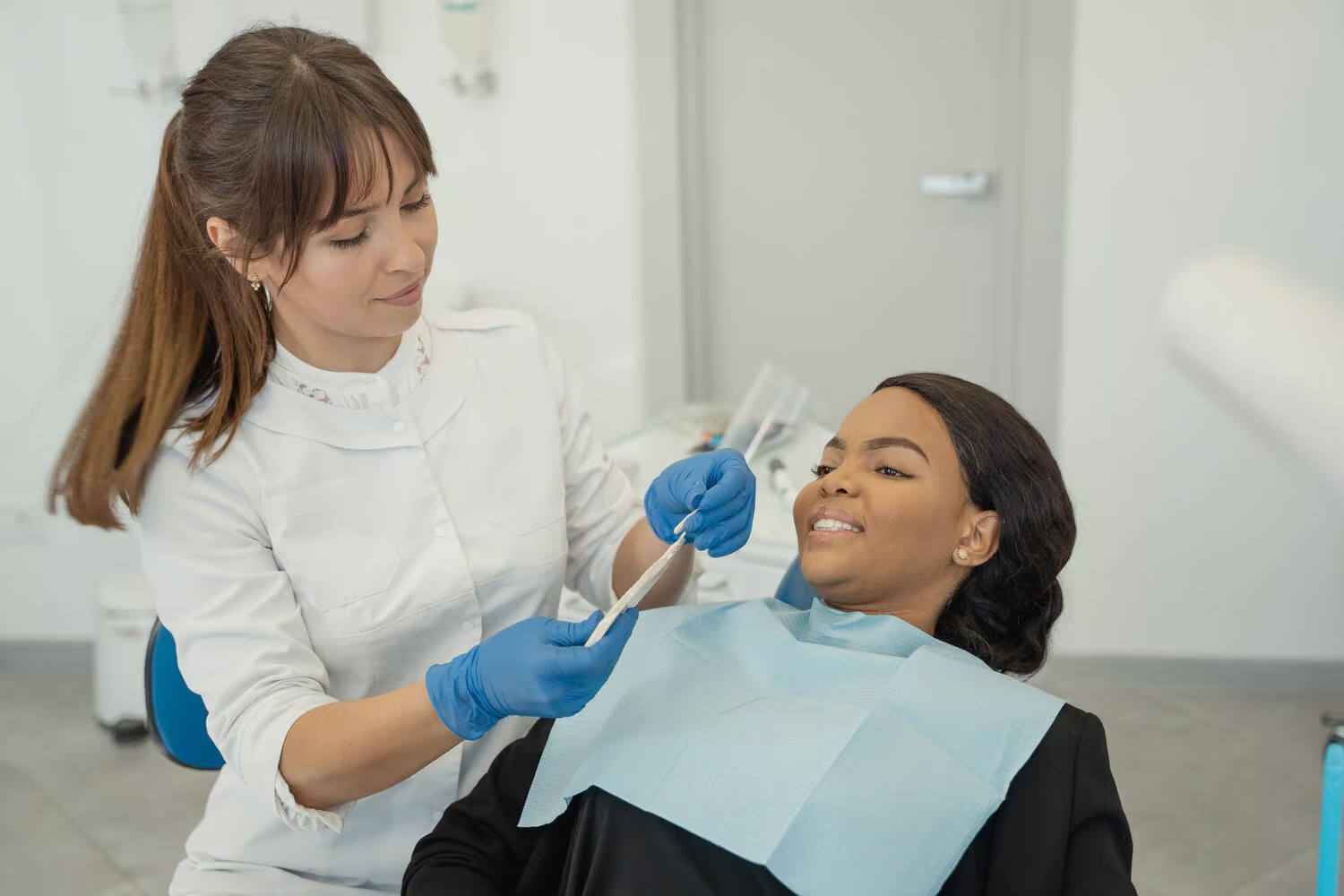
You call, you come in, and in most cases you leave the same day with the tooth fixed. That's really the whole point of bonding. No lab, no waiting on a shade to be sent out for fabrication, no second visit weeks later.
Here's roughly how the appointment goes, start to finish right here in our Woodway office:
- Dr. Morgan checks the tooth and confirms bonding is the right fix, not a crown or filling instead.
- We match the composite resin to your natural tooth color. This step matters more than people expect - a bad shade match is the difference between a repair that blends in and one that stands out.
- Minimal to no prep work on the tooth itself. Bonding doesn't usually require the drilling a crown does.
- The resin gets applied in layers, shaped by hand to rebuild the tooth's natural contour.
- A curing light hardens each layer in seconds.
- Final shaping, polishing, and a bite check to make sure everything feels right when you close your mouth.
Keeping Bonded Teeth Looking Natural Long-Term
Bonding isn't permanent, and we tell every patient that up front. The composite resin we use is strong, but it doesn't have the same wear resistance as a veneer or crown. With good habits, bonded teeth can look great for several years before they need a touch-up.
Staining is the biggest thing to watch. Composite resin can pick up color from coffee, red wine, and tea over time, more than your natural enamel does. Central Texas summers mean a lot of iced tea and cold brew, and that daily habit shows up on bonded teeth before it shows up anywhere else. If you drink either one daily, plan on a professional polish now and then to keep the shine even.
Chipping is the other thing we watch for. Bonding holds up fine under normal biting and chewing. It doesn't hold up well against ice chewing, pen caps, or using your teeth to open packages.
We've had patients come in a little embarrassed after a chipped edge from a fingernail habit - nothing to be embarrassed about, it's an easy fix.
A few habits go a long way toward protecting your investment:
- Skip the whitening toothpaste with heavy abrasives, it can dull the resin's finish
- Rinse with water after dark drinks instead of letting them sit on your teeth
- Wear a nightguard if you grind your teeth in your sleep
- Come in for your regular cleanings so we can catch a rough edge before it chips further
Most touch-ups are quick. If a bonded tooth chips or dulls, we can usually smooth it or add a bit more resin in one visit. No lab work, no waiting on a crown. That's part of why so many adults choose bonding for small fixes: it's low commitment now and easy to adjust later.
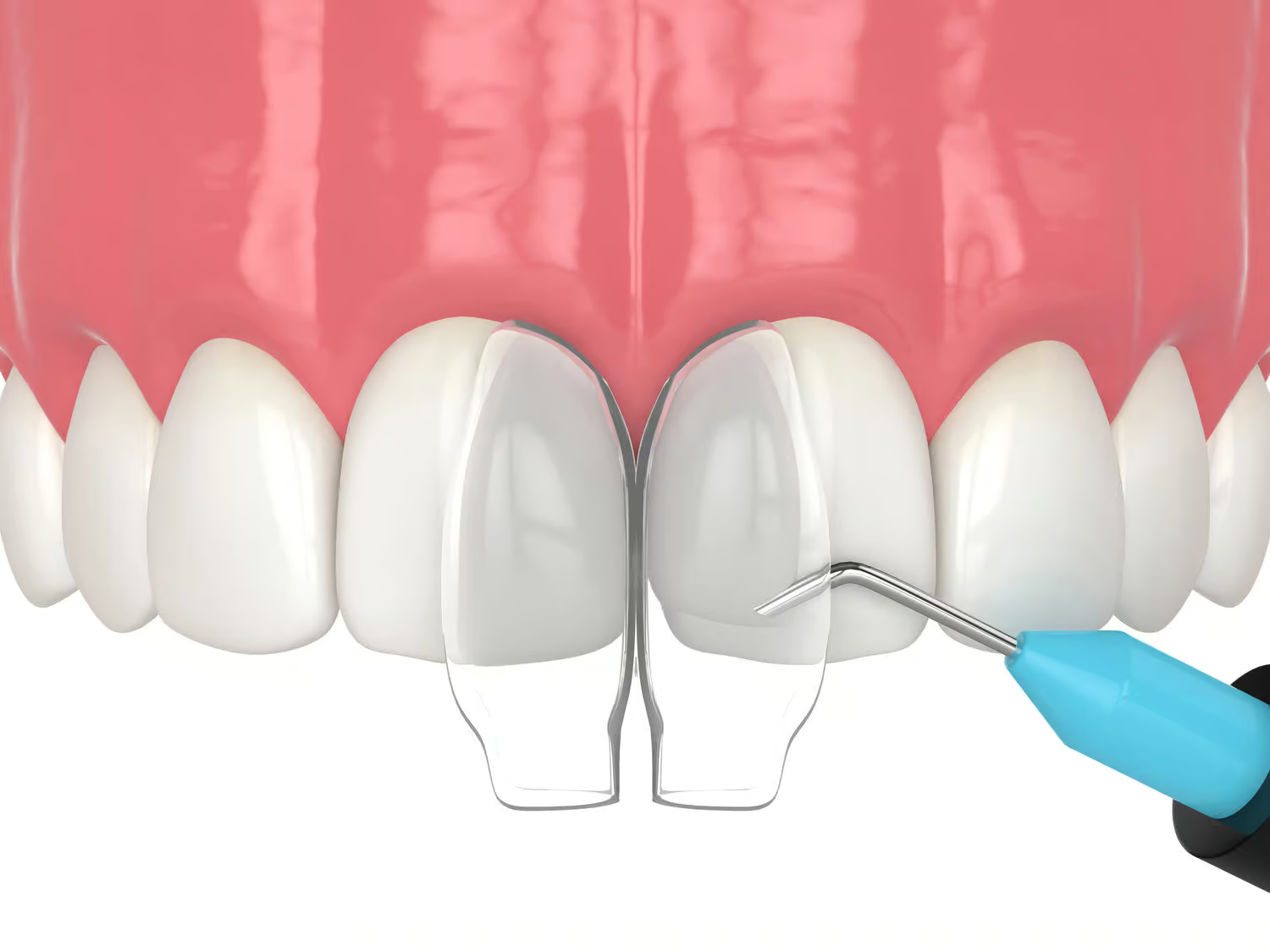
Dental Bonding Repairs Minor Tooth Damage
This illustration shows how dental bonding can restore a chipped or damaged tooth. A tooth-colored composite resin is applied to the affected area and carefully shaped to match the natural contour of the tooth. Once the material is hardened with a special curing light, it is polished to blend seamlessly with the surrounding teeth, restoring both appearance and function.
Dental Bonding FAQ
Some Common Questions About Dental Bonding
View more Options

Clear Aligners

Toothache Relief