Full Mouth Restoration in Waco | WM Dentistry
Signs Your Smile Needs More Than One Fix
Most people don't wake up one day and decide they need full mouth restoration. It builds. A crown fails, then a filling next to it cracks, then you notice you're chewing on one side because the other just doesn't feel right anymore. Sound familiar? That's usually the moment someone finally calls us.
Here's the pattern we see. A patient comes in worried about one bad tooth, and once Dr. Morgan looks at the whole mouth, it's clear the problem isn't isolated. Maybe there's old decay under a few crowns from years back. Maybe the bite has shifted so teeth are wearing unevenly, flattening down in ways that speed up damage everywhere else. One broken tooth rarely stays a solo problem for long.
A few signs tell us it's time to look at the bigger picture instead of patching one spot:
- Multiple teeth with old, failing fillings or crowns, not just one
- Noticeable wear flattening your teeth or changing your bite
- Missing teeth that have let neighboring teeth drift or tilt
- Jaw discomfort or clicking that shows up along with tooth damage
- A mix of problems, decay here, a broken tooth there, a loose bridge somewhere else
That last one is the real tell. When the damage is scattered across the mouth instead of sitting in one place, treating each tooth separately just delays the next appointment. And the next one. We plan these cases around how your teeth work together, not tooth by tooth in isolation.
If you're only dealing with one cracked tooth or a single old filling, you probably don't need this. That's a normal repair, and we'd tell you so. But if your mouth feels like it's been held together with one fix after another for years, that's a different conversation.
Single-Tooth Repairs vs. Full Mouth Cases
Here's something we tell people up front, even when it means a shorter visit than they expected: not every dental problem is a full mouth restoration. If you cracked one molar or lost a filling last week, that's not this. That's a crown, a filling, maybe a single implant. Full mouth restoration is a different animal entirely.
So how do you know which one you're looking at? Ask yourself if the problem is really contained to one or two teeth, or if it's spread across your whole bite. A patient with one bad tooth from a bike accident needs standard repair work, not a full case plan. But a patient who's lost several teeth over the years, worn down their bite from grinding, and patched things together with old crowns that are starting to fail - that's someone whose mouth needs to be looked at as a whole system, not tooth by tooth.
We see this distinction matter every week. Someone calls asking about "getting their teeth fixed," and the real question is whether we're solving one problem or rebuilding function across the entire mouth.
Full mouth restoration means combining treatments, implants, crowns, bridges, sometimes all three, to rebuild how your mouth works and looks, not just how one tooth looks. It includes checking your bite stability and jaw function, not just patching individual teeth. If your case is really a single tooth or two, we'll say so and treat it as a standard crown, bridge, or implant case. No point building a bigger plan than you need.
Preparing for a Full Mouth Evaluation at WM Dentistry
Before we can build a plan, we need the full picture. That starts with a exam, not a quick look at the tooth that's bothering you most. We're checking bite alignment, gum health, bone support, and how your teeth work together when you chew and speak. A cracked molar rarely shows up alone, there's a pattern behind it: old fillings breaking down, years of grinding, or teeth that shifted after something else was lost.
Bring your history with you, even the parts you think don't matter. Old dentures that never fit right, a bridge from fifteen years ago, a root canal that failed. All of it tells us something. If you've had work done elsewhere in Waco or Woodway and don't have records, that's fine, we'll rebuild the picture from what we see and from X-rays taken here.
Come with your questions written down. Ask what's driving the plan: is it the number of teeth involved, the mix of crowns and implants and bridges, or the bite correction itself? Those are the three things that shape a case like this, and a straight answer up front tells you a lot about how the practice works.
One thing worth saying plainly.
Not every worn or chipped tooth needs a full case. If your exam shows one or two teeth causing the trouble, we'll say so, and treat those on their own rather than folding them into something bigger than they need to be. Full mouth restoration is for the cases where function and appearance both need rebuilding, not for a single problem tooth.
What Full Mouth Restoration in Waco Involves, Step by Step
A full mouth restoration isn't one appointment. It's a planned sequence, built around your mouth specifically, not a template pulled off a shelf. Dr. Morgan starts by looking at the whole picture: how your teeth meet, where the wear is heaviest, which teeth are salvageable and which aren't. That last part matters more than people expect.
Here's roughly how a case unfolds:
- Full evaluation of bite stability, jaw function, and the condition of every tooth, not just the ones bothering you.
- A treatment plan that maps out the combination needed. Maybe that's implants where teeth are missing, crowns where teeth are cracked or worn flat, bridges where a gap needs bridging.
- Any foundational work first. Decay gets cleared, infection gets treated, and the bite gets analyzed before anything permanent goes in.
- Implant placement, where needed, with healing time built in before the final restorations go on top.
- Crowns and bridges placed and adjusted until the bite feels right, not just looks right.
- A final check on how everything works together, chewing, speaking, jaw comfort, day to day.
That healing window is the part patients underestimate. And it's not something we rush. Bone needs time to integrate with an implant, so a case built around implants runs on a longer timeline than one that's mostly crowns and bridges. We tell patients this upfront, not halfway through.
Here's the thing about a real full mouth case, it never gets treated tooth by tooth. Every piece gets planned against the others. A crown on one side has to work with an implant on the other, or the bite ends up uneven again in a year. We see this every single week with folks who've had piecemeal work done elsewhere and are dealing with a bite that never quite settled.
How Full Mouth Restoration Pricing Works
There isn't one number that fits every case. Full mouth restoration pricing depends on what your mouth needs, not a menu price. We see this every single week: two patients walk in with what looks like the same problem, and they leave with completely different treatment plans.
A few things move the number up or down. How many teeth are involved matters a lot - a case touching six teeth costs differently than one touching sixteen. The mix of treatment types matters too. Some patients need implants and crowns. Others need crowns and bridges, or some combination of all three. And whether your bite alignment and jaw function need correcting, not just individual teeth, changes the whole plan.
What's included is a full evaluation of your bite stability and jaw function, not just how your teeth look. We're planning one cohesive case built around how your mouth works long term, not stacking a bunch of unrelated fixes on top of each other.
Here's the part that surprises people. If you've really got one bad tooth or two, this isn't your category. Full mouth restoration is for rebuilding function and appearance after significant wear, decay, or failed prior dental work across your whole mouth. A single cracked molar gets handled as a standard crown or implant case, plain and simple.
Before you commit to any provider for this kind of work, ask how they're evaluating your bite, not just your teeth. Ask if the plan accounts for how everything works together once it's done. That question alone tells you a lot about whether you're getting a real plan or a patchwork of procedures. If you want an independent overview of what this kind of case typically involves, the American College of Prosthodontists breaks down the basics.
How Full Mouth Restoration Comes Together
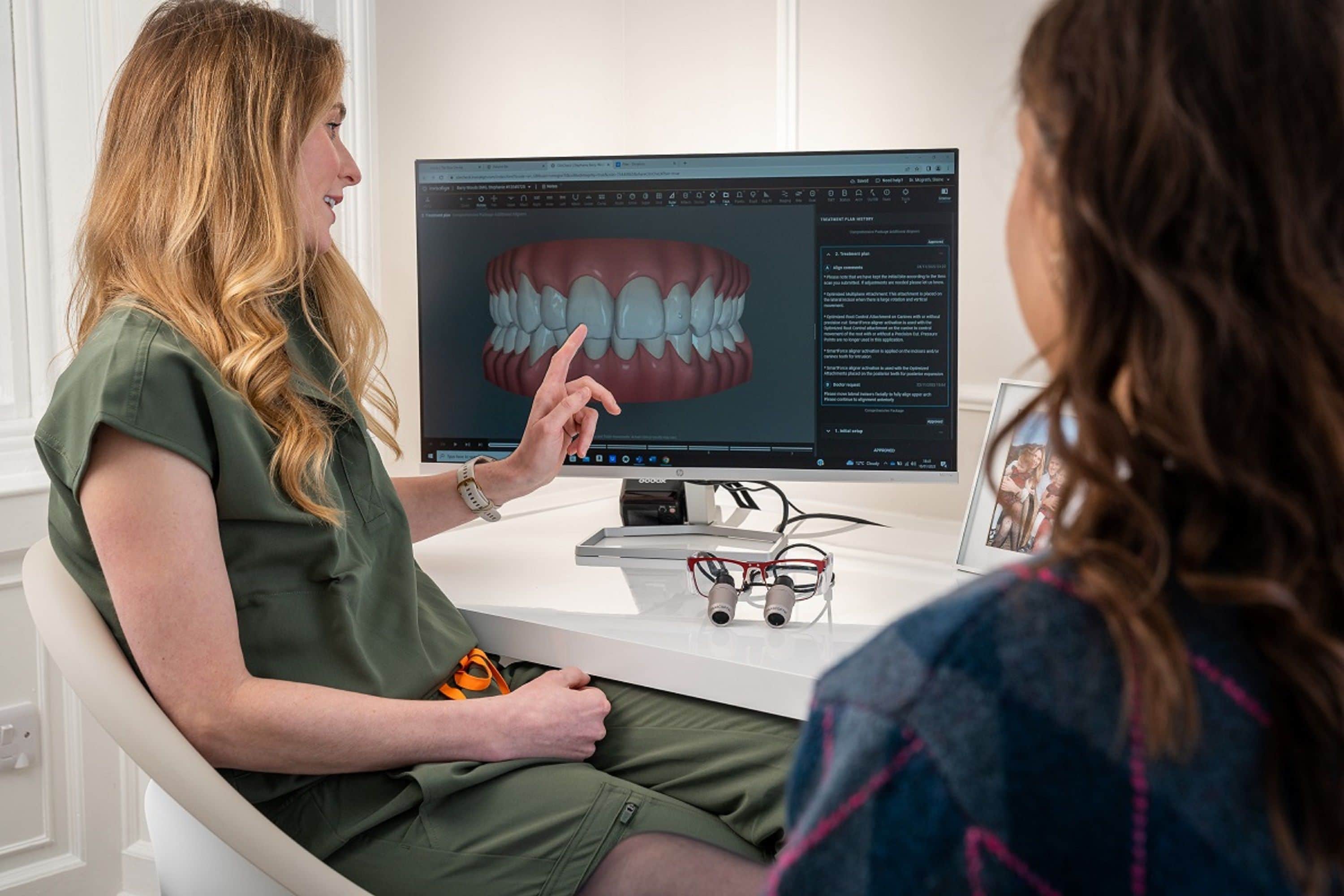
This is what a real full mouth case looks like — not one fix, but several working together. Dr. Morgan maps out where implants, crowns, and bridges each need to go, then sequences the work so your bite ends up even, not just individually repaired. Decay and infection get cleared first. Everything else builds from there.
Full Mouth Restoration FAQ
What Patients Ask Before a Full Mouth Restoration
View more Options

Retainers

Dental Bridges