Implant-Supported Dentures in Waco: Stop Living With a Loose Denture

Signs Your Current Denture Is Failing You
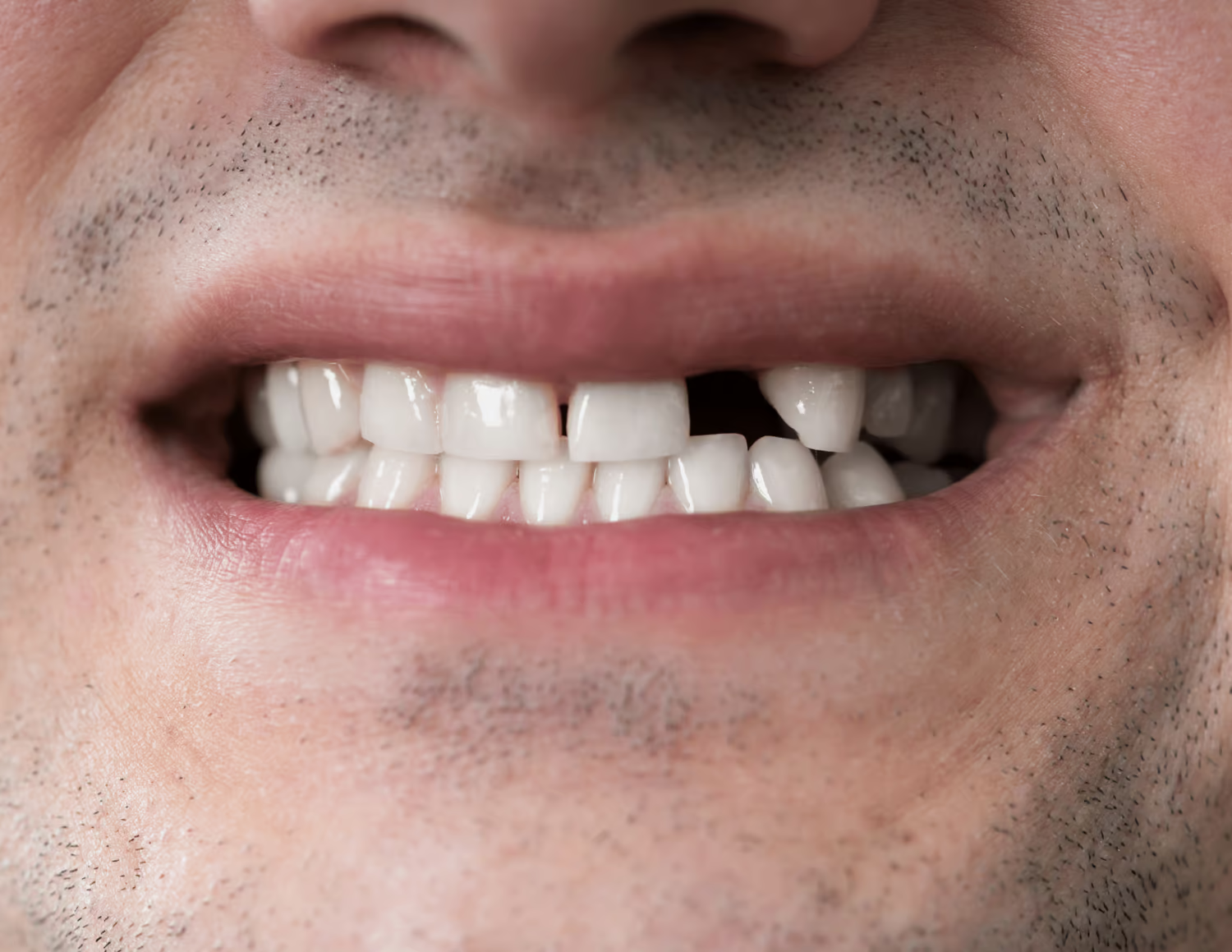
If your denture still fits the way it did the day you got it, you're one of the lucky ones. Most people aren't. Bone changes shape once teeth are gone, and a denture that was fitted years ago is sitting on a jaw that's shifted since then. That's not a flaw in the denture. That's just biology.
So what does failure look like? A few things we hear constantly:
- Slipping when you laugh, sneeze, or talk on the phone
- Sore spots that show up in the same place every time
- Needing more and more adhesive just to get through a meal
- A change in how your face looks, sunken cheeks, a collapsed bite
- Avoiding steak, corn on the cob, or anything that needs real chewing
Here's the one people miss. Bad breath or a sour taste that won't go away, even after cleaning the denture. That's often a sign of bacteria trapped under the plate, not poor hygiene on your part.
We see this every week: someone comes in convinced their denture just needs an adjustment, and the real issue is bone loss underneath it. An adjustment can buy you time. It can't rebuild what's gone.
Not sure if what you're dealing with is normal wear or something more? Ask yourself if you've changed your diet, your speech, or your social habits to work around your denture. If the answer's yes, your denture is telling you it's not doing its job anymore.
None of this means you did anything wrong. Dentures shift, ridges resorb, and gums change shape, that's simply how it goes without a fixed anchor point. The question isn't whether your denture will move over time. It's what you want to do about it now.
Removable vs. Fixed Implant-Supported Dentures Explained
Here's the real question behind implant-supported dentures: do you want to take it out at night, or not? That one choice splits the whole treatment into two paths, and it changes what your daily life looks like for years to come.
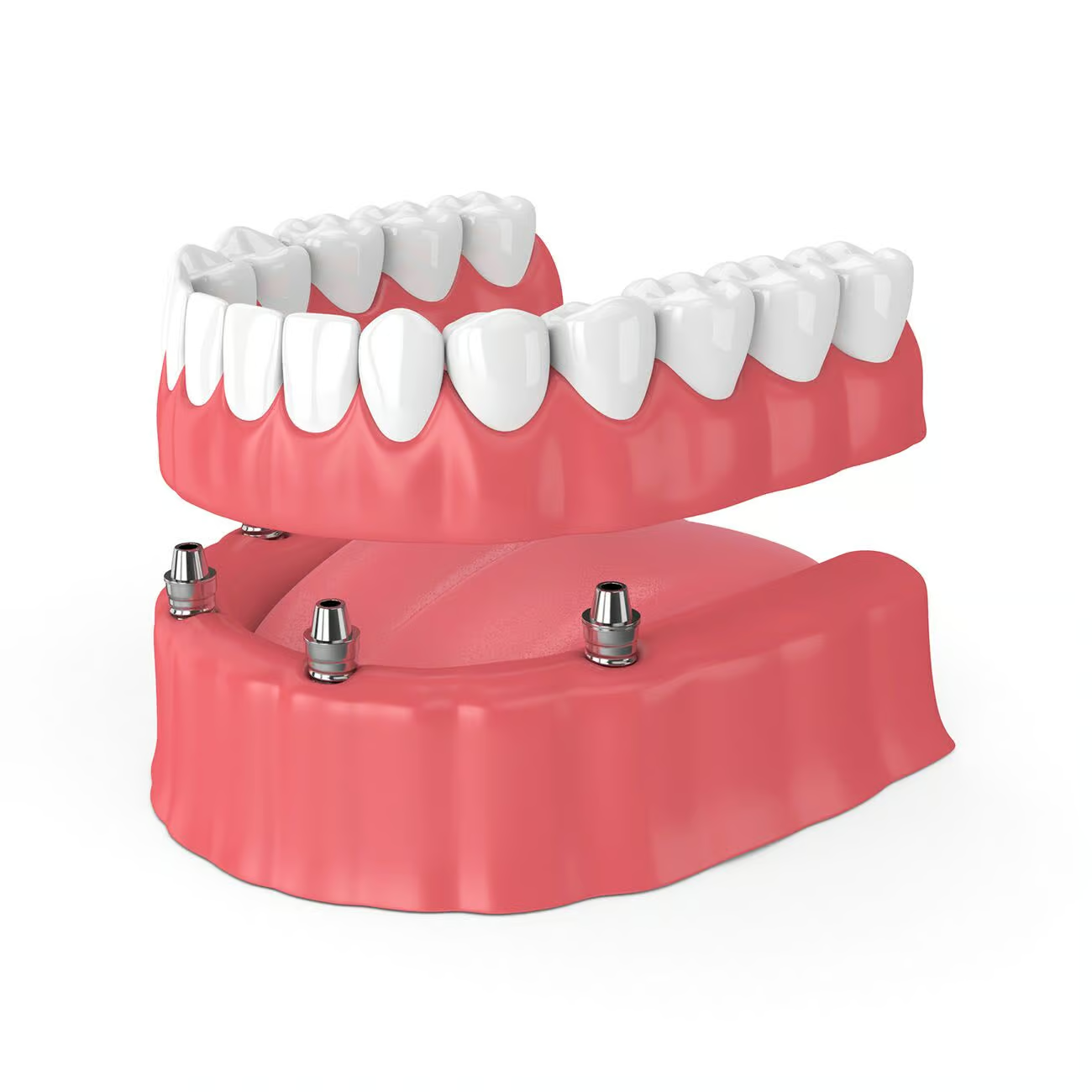
Removable implant dentures snap onto a small number of implants, usually two to four, using ball attachments or a bar. You pop it out to clean it and sleep without it. It costs less upfront and works with fewer implants, which matters if your jawbone has already lost some density. Fixed implant dentures are different. They're screwed onto four to six implants and stay in your mouth full time. Only your dentist takes them out. They feel closer to natural teeth, they chew like natural teeth, and most patients say they forget they're wearing them within a few weeks.
We get asked constantly which one is "better." It's not that simple.
A retired teacher who wants a simpler routine and doesn't mind removing her denture at night is a great fit for the removable option. A younger, active patient who's tired of loose dentures shifting during meals usually leans fixed. Bone volume matters too. Gum recession and years of missing teeth can limit which path is realistic without added grafting.
Dr. Jeremy Morgan walks through both options at your exam, looks at your bone with imaging, and tells you which one fits your mouth and your goals. Neither option is a downgrade. They just solve the problem differently.
Who Should Wait Before Getting Implant-Supported Dentures
Not everyone standing in front of us is ready for implant-supported dentures, and we'll tell you that straight. If your gums are inflamed, bleeding, or you've got active periodontal disease, we need to treat that first. Placing implants into infected tissue is asking for trouble.
Diabetes that isn't controlled is another one. Healing around a dental implant depends on steady blood sugar. If your numbers are all over the place, your body needs more time before it can support new implants well.
Smokers get an honest answer from us too. Nicotine slows healing and raises the risk of implant failure. We're not saying never, we're saying quit first or at least commit to stopping around the procedure.
Bone loss matters here. If years of missing teeth have thinned the jawbone too much, implants may need bone grafting before they can even go in. That's not a reason to give up, it's just a step that comes first.
And sometimes the honest answer is simpler than any of that. If your current denture just doesn't fit right anymore, a reline or repair might solve the problem without implants at all. We see this a lot with patients who assume loose dentures automatically mean implants. Sometimes it's just time for an adjustment.
If you lost a tooth recently, your mouth needs healing time before any implant conversation makes sense. Rushing that timeline doesn't serve you.
So if any of this sounds like where you're at, that's useful information, not bad news. It just means the next step looks a little different than surgery.
What Happens at Your Consultation in Waco
You'll sit down with Dr. Morgan first, not a hygienist, not a treatment coordinator with a script. He looks at your mouth the way he'd want someone to look at his own family's, because that's basically what it is around here, four boys keep him plenty busy at home too.
The exam starts with your bite and your bone. Implant-supported dentures only work if there's enough bone to hold the implants steady, so we take imaging that shows density and shape, not just a quick look and a guess. A lot of Waco patients come in already wearing full dentures that shift when they laugh or eat, and that slipping is usually the first sign bone has changed shape underneath.
From there, the visit usually covers:
- A full look at your gums, jaw joint, and any remaining teeth
- Imaging to check bone volume where implants would go
- A real conversation about how many implants your case would need
- What your daily life looks like now with dentures, and what's bothering you about it
Healing, Attachment, and Adjusting to Your New Denture
Healing time depends on the person, but most patients need a few months before the implants are ready to carry a denture full time. The jawbone needs to fuse to the implant post. Dentists call this osseointegration, and rushing it is how implants fail. We'd rather you wait the extra few weeks than deal with a loose implant later.
During healing, you'll likely wear a temporary denture so you're never without teeth. It won't feel exactly like the final one, and that's normal. Some patients notice mild soreness where the implant sits, especially in the first week or two. That usually settles on its own.
Once your implants have healed, we attach the final denture using the connection system built into your treatment plan, snap-in attachments or a bar that locks the denture in place. The first time patients bite down and feel it hold steady, we hear the same thing almost every time: relief. No more worrying about a denture shifting mid-conversation.
Adjusting takes a little practice. Your tongue and cheeks need a week or two to relearn where your teeth are now. Speech usually smooths out within days. Chewing confidence builds faster than most people expect, some patients are back to steak and corn on the cob within a month.
Not every day of healing feels the same. Some days you'll forget you're even in treatment. Follow-up visits let us check the fit and make small adjustments as your gums settle. Skipping those visits is one of the more common mistakes we see, so don't.
Two ways to anchor your denture
- Removable — snaps onto 2–4 implants with ball attachments or a bar; you take it out to clean it and sleep without it
- Fixed — screwed onto 4–6 implants and worn full-time; only your dentist removes it
Both solve the same problem — a denture that moves when you talk, laugh, or eat. Which one fits depends on your bone, your lifestyle, and how hands-off you want your daily routine to be.
Implant-Supported Dentures FAQs
We answer the most asked question about Implant-supported dentures
View more Options

Fillings

Dental Implants